Health Benefits of Zero-Calorie Sweeteners for Diabetes
Diabetes management often requires careful attention to diet, particularly when it comes to sugar intake. For many, the thought of giving up sweet treats can be daunting. Fortunately, zero-calorie sweeteners offer a viable alternative that can satisfy a sweet tooth without the associated calories or sugar spikes. In this blog post, we will explore the health benefits of zero-calorie sweeteners for individuals with diabetes, how they work, and practical tips for incorporating them into your diet.
Understanding Zero-Calorie Sweeteners
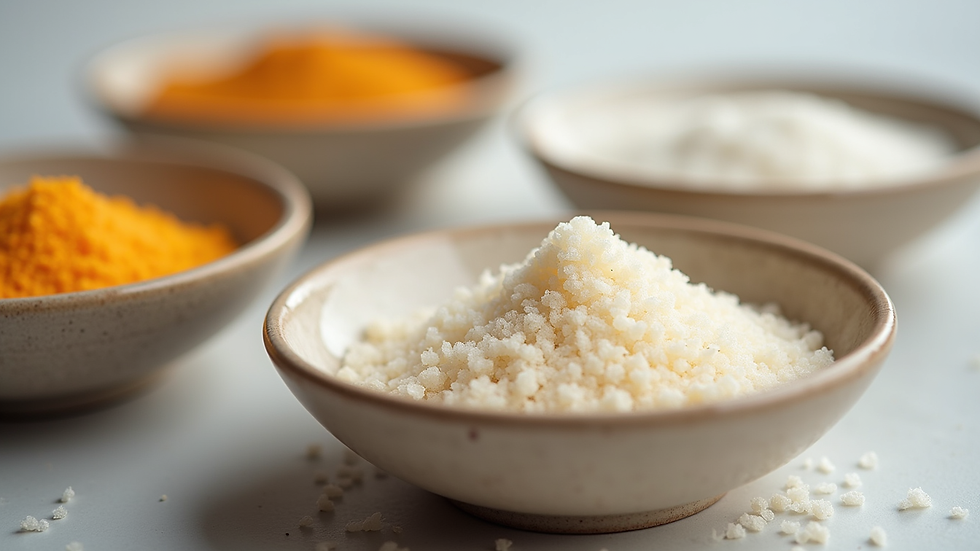
Zero-calorie sweeteners, also known as non-nutritive sweeteners, are substances that provide sweetness without the calories found in traditional sugars. They are often many times sweeter than sugar, which means only a small amount is needed to achieve the desired sweetness. Common examples include:
Stevia: Derived from the leaves of the Stevia rebaudiana plant, this natural sweetener is popular for its zero-calorie content and minimal impact on blood sugar levels.
Sucralose: A chlorinated derivative of sucrose, sucralose is heat-stable, making it suitable for cooking and baking.
Aspartame: Often found in diet sodas and sugar-free products, aspartame is about 200 times sweeter than sugar.
Erythritol: A sugar alcohol that occurs naturally in some fruits, erythritol has a low glycemic index and is often used in low-carb and keto diets.
These sweeteners can be beneficial for individuals with diabetes, as they provide a way to enjoy sweet flavors without the risk of elevated blood sugar levels.
The Benefits of Zero-Calorie Sweeteners for Diabetes
Blood Sugar Control
One of the primary concerns for individuals with diabetes is maintaining stable blood sugar levels. Traditional sugars can cause rapid spikes in blood glucose, which can be harmful. Zero-calorie sweeteners, on the other hand, have little to no effect on blood sugar levels. Research indicates that using these sweeteners can help individuals manage their carbohydrate intake more effectively.
Weight Management
Maintaining a healthy weight is crucial for diabetes management. Zero-calorie sweeteners can be a useful tool for those looking to reduce their caloric intake without sacrificing sweetness. By substituting sugar with these sweeteners, individuals can enjoy their favorite foods and beverages while keeping their calorie count in check. This can be particularly beneficial for those who are overweight or obese, as weight loss can improve insulin sensitivity and overall diabetes control.
Dental Health
Another advantage of zero-calorie sweeteners is their impact on dental health. Unlike sugar, which contributes to tooth decay, many zero-calorie sweeteners do not promote the growth of harmful bacteria in the mouth. This means that individuals with diabetes can enjoy sweet flavors without the added risk of cavities and other dental issues.
Variety in Diet
For individuals with diabetes, dietary restrictions can sometimes lead to monotony in meal planning. Zero-calorie sweeteners can add variety and flavor to meals and snacks without the added sugar. Whether it's sweetening a morning cup of coffee or adding flavor to yogurt, these sweeteners can enhance the overall eating experience.
Practical Tips for Incorporating Zero-Calorie Sweeteners
Start Slowly
If you're new to zero-calorie sweeteners, it's best to start slowly. Begin by substituting a small amount of sugar in your favorite recipes or beverages with a zero-calorie sweetener. This will allow your taste buds to adjust to the new flavor profile.
Read Labels
When purchasing products that contain zero-calorie sweeteners, it's essential to read the labels carefully. Some products may contain additional sugars or carbohydrates that can impact blood sugar levels. Look for items that are specifically labeled as "sugar-free" or "no added sugars."
Experiment with Different Types
Not all zero-calorie sweeteners taste the same. Some may have a bitter aftertaste, while others may blend seamlessly into your favorite dishes. Experiment with different types to find the ones that you enjoy the most. For example, stevia may work well in smoothies, while erythritol might be better suited for baking.
Use in Moderation
While zero-calorie sweeteners can be a helpful tool, moderation is key. Some individuals may experience digestive discomfort when consuming large amounts of sugar alcohols like erythritol. It's important to listen to your body and adjust your intake accordingly.
Potential Concerns and Considerations
While zero-calorie sweeteners offer numerous benefits, there are some considerations to keep in mind. Some studies suggest that excessive consumption of certain sweeteners may lead to cravings for more sugary foods. It's essential to maintain a balanced diet and not rely solely on sweeteners for flavor.
Additionally, individuals with phenylketonuria (PKU) should avoid aspartame, as it contains phenylalanine, which can be harmful to those with this genetic disorder. Always consult with a healthcare professional before making significant changes to your diet, especially if you have underlying health conditions.
Conclusion
Zero-calorie sweeteners can be a valuable addition to the diet of individuals with diabetes. They provide a way to enjoy sweetness without the calories and blood sugar spikes associated with traditional sugars. By incorporating these sweeteners mindfully and in moderation, you can enhance your meals and snacks while supporting your overall health.
As you explore the world of zero-calorie sweeteners, remember to prioritize a balanced diet and consult with healthcare professionals when needed. Embrace the sweetness without the guilt, and enjoy the benefits that these alternatives can bring to your diabetes management journey.



Comments